 Skip to content
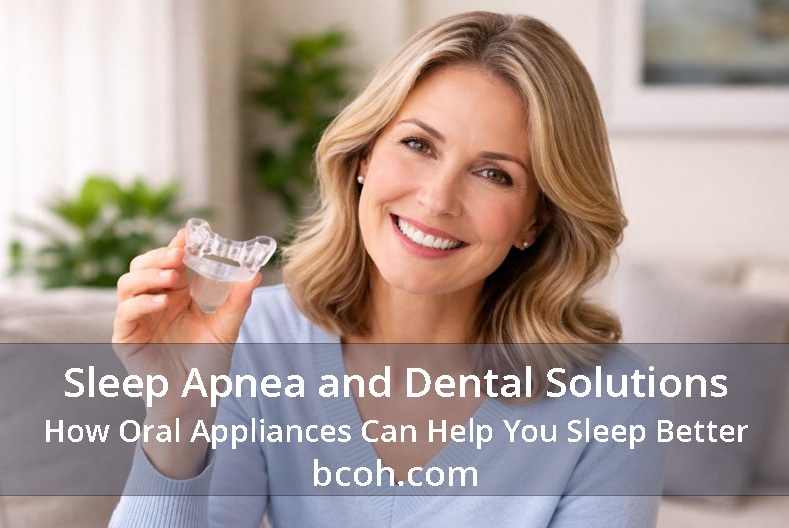
Understanding Sleep Apnea: Types and Symptoms
Sleep apnea isn’t just a catchy phrase for snoring; it’s a serious condition that affects around 22 million Americans. This number is nearly equal to the population of Texas, with all these individuals struggling to catch some Z’s.
Imagine waking up every morning feeling like you’ve run a marathon overnight. For many, this is the reality of sleep apnea—a condition that disrupts your sleep cycle and leaves you gasping for air in the middle of the night.
Types of Sleep Apnea
There are three main types of sleep apnea, each with its own quirks and causes:
- Obstructive Sleep Apnea (OSA): The most common type, caused by a blockage in the throat.
- Central Sleep Apnea (CSA): This occurs when your brain fails to send proper signals to the muscles that control breathing.
- Complex Sleep Apnea Syndrome: A combination of OSA and CSA.
Recognizing Symptoms
I’m just a heavy sleeper—a phrase often uttered by those who don’t realize they might have sleep apnea. Symptoms can sneak up on you like an unwanted houseguest.
But I don’t snore! you might say. Guess what? Not everyone with sleep apnea is a loud snorer. Here are some sneaky symptoms to watch out for:
- Gasping for air during sleep is definitely not a positive sign!
- Excessive daytime sleepiness can make coffee your best friend.
- You may experience morning headaches that leave you feeling as if your brain has just completed a marathon.
- You may experience difficulty concentrating, which can lead to forgetfulness.
If you suspect you have sleep apnea, don’t ignore it! Early diagnosis can lead to effective sleep apnea dental treatment options.
Understanding these types and symptoms is crucial if you’re considering solutions like oral appliances. Oral appliances can significantly improve the management of sleep apnea.
The Role of Dental Professionals in Diagnosing Sleep Apnea
Did you know that nearly 80% of people with sleep apnea remain undiagnosed? That’s like having a secret club where everyone is gasping for air, but no one knows why! This is where dental professionals step in, acting as the unsung heroes of sleep health.
Let’s face it: many people don’t think about their dentist when it comes to diagnosing sleep apnea. But these professionals are uniquely positioned to spot the signs that others might miss. They’re not just checking for cavities and gum disease; they’re also looking out for clues related to your sleep health, like worn-down teeth or jaw pain.
How Dentists Identify Sleep Apnea
When you visit your dentist, they might ask you about your sleep patterns and any symptoms you’ve noticed. If you report experiencing a zombie-like wake-up or loud snoring, your dentist will likely conduct a comprehensive examination of your mouth and throat. Here’s what they look for:
- Bruxism, a condition where teeth grind together, can be a sign of stress or disrupted sleep.
- Both enlarged tonsils and a thickened neck can contribute to obstructive sleep apnea.
- Jaw alignment issues may affect the airway passage during sleep.
If your dentist suspects sleep apnea, they may recommend further evaluation with a sleep specialist. This collaboration is crucial because it allows for a comprehensive approach to treatment—combining dental solutions with medical insights.
The Importance of Early Detection
Why does early detection matter? Well, untreated sleep apnea can lead to serious health issues such as heart disease, diabetes, and even stroke. By catching it early through dental visits, patients can access effective sleep apnea dental treatment options sooner rather than later.
Dental professionals play a critical role in the early detection and management of sleep apnea.
Key takeaway: Regular dental checkups can help identify potential signs of sleep apnea before they escalate into more serious health problems.
So, when you go for your six-month dental check-up, remember: it’s not just about your smile; it’s also about your sleep! Your dentist could play a crucial role in protecting you against the hidden dangers of sleep apnea.
Did you know that nearly 80% of people with sleep apnea remain undiagnosed? That’s like having a secret club where everyone is gasping for air, but no one knows why! This is where dental professionals step in, acting as the unsung heroes of sleep health.
Let’s face it: many people don’t think about their dentist when it comes to diagnosing sleep apnea. But these professionals are uniquely positioned to spot the signs that others might miss. They’re not just checking for cavities and gum disease; they’re also looking out for clues related to your sleep health, like worn-down teeth or jaw pain.
Mechanism of Action: How Oral Appliances Work
Imagine waking up every day feeling refreshed instead of like you just survived a zombie apocalypse. For those battling sleep apnea, oral appliances can be the secret weapon in this quest for restful slumber.
These custom-fit devices are designed to help keep your airway open while you sleep. They do this by repositioning your jaw and tongue, preventing those pesky blockages that lead to snoring and disrupted breathing. Think of them as a bouncer at the club of your airway, ensuring only smooth airflow gets through.

How Do Oral Appliances Work?
At their core, oral appliances work by advancing the lower jaw slightly forward. This simple adjustment creates more space in the throat and helps prevent the soft tissues from collapsing and blocking the airway during sleep. It’s like giving your throat a little extra room to breathe—literally!
- Repositions the jaw: The appliance gently pulls the lower jaw forward.
- Stabilizes the tongue: It keeps your tongue from falling back into your throat.
- Enhances airflow: By maintaining an open airway, it reduces instances of apnea events.
The Benefits of Using Oral Appliances
Why choose an oral appliance over other treatments? Well, for starters, they’re non-invasive and easy to use. Unlike CPAP machines that can feel like you’re sleeping with a jet engine strapped to your face, oral appliances are compact and travel-friendly—perfect for those who want to maintain their beauty sleep on the go.
Here’s a quick rundown of their benefits:
- Comfort: Custom-fitted for your mouth, it means less discomfort compared to bulky devices.
- Portability: Easy to carry along when traveling without worrying about power sources.
- Quiet operation: No noisy machines; just peaceful nights.
The right oral appliance can significantly improve sleep quality for those suffering from obstructive sleep apnea.
(But wait, what about side effects?)
No treatment is without its quirks. Some users may experience minor side effects such as jaw discomfort or changes in bite alignment initially. But don’t fret! These issues often resolve as you get used to wearing it. Regular follow-ups with your dentist can help ensure everything stays on track.
So if you’re grappling with sleep apnea, don’t let it steal another night from you! Talk to your dentist about how these handy little devices could be just what you need for better sleep—a small step towards reclaiming those precious Z’s!
Imagine waking up every day feeling refreshed instead of like you just survived a zombie apocalypse. For those battling sleep apnea, oral appliances can be the secret weapon in this quest for restful slumber.
These custom-fit devices are designed to help keep your airway open while you sleep. They do this by repositioning your jaw and tongue, preventing those pesky blockages that lead to snoring and disrupted breathing. Think of them as a bouncer at the club of your airway, ensuring only smooth airflow gets through.
Types of Oral Appliances for Sleep Apnea Treatment
Not all oral appliances are created equal—consider them to be the Swiss Army knives of sleep apnea dental treatment. Each type has its own unique features designed to tackle the specific needs of your airway.
Mandibular Advancement Devices (MADs)
Mandibular advancement devices are the rockstars of sleep apnea treatment. They work by gently pushing your lower jaw forward, which helps keep your airway open. Imagine a bouncer at a club making sure no one blocks the entrance—this is what MADs do for your throat! They’re custom-fitted to ensure comfort and effectiveness, making them a popular choice among patients.
Tongue Retaining Devices (TRDs)
If you’ve ever had your tongue slip back into your throat while sleeping, you know how uncomfortable that can be. Tongue retaining devices tackle this issue head-on by holding your tongue in place, preventing it from blocking your airway. Think of TRDs as little guards that keep everything in its rightful place while you dream away.
(Hybrid) Combination Devices
Hybrid combination devices take the best features of both MADs and TRDs, offering a dual approach to keeping your airway clear. These appliances are particularly useful for those who find themselves needing extra support or who have complex cases of sleep apnea. It’s like having a backup singer who also plays an instrument—versatile and effective!
Choosing the right device depends on individual needs, preferences, and the severity of sleep apnea.
Key takeaway: Consulting with a dental professional is crucial to determine which oral appliance is best suited for you.
But wait! What about comfort? Most oral appliances are designed with user comfort in mind, but they may take some getting used to. Regular follow-ups with your dentist can help fine-tune adjustments to ensure a snug fit without discomfort.
So if you’re ready to reclaim those restful nights, it’s time to chat with your dentist about which oral appliance might just be your golden ticket to dreamland!
Not all oral appliances are created equal—think of them as the Swiss Army knives of sleep apnea dental treatment. Each type has its own unique features designed to tackle the specific needs of your airway.
Mandibular Advancement Devices (MADs)
Mandibular advancement devices are the rockstars of sleep apnea treatment. They work by gently pushing your lower jaw forward, which helps keep your airway open. Imagine a bouncer at a club making sure no one blocks the entrance—this is what MADs do for your throat! They’re custom-fitted to ensure comfort and effectiveness, making them a popular choice among patients.
Tongue Retaining Devices (TRDs)
If you’ve ever had your tongue slip back into your throat while sleeping, you know how uncomfortable that can be. Tongue retaining devices tackle this issue head-on by holding your tongue in place, preventing it from blocking your airway. Think of TRDs as little guards that keep everything in its rightful place while you dream away.
Evaluating the Effectiveness of Oral Appliances
When it comes to sleep apnea dental treatment, oral appliances often get a negative rap as the underdog of sleep solutions. But let’s set the record straight: these devices can be incredibly effective, and it’s time to give them their due credit. Research shows that oral appliances can reduce apnea events by up to 50% in many patients, making them a viable option for those looking to reclaim their nights.
What Makes Oral Appliances Effective?
The effectiveness of oral appliances hinges on a few key factors. First off, they’re custom-fitted to your unique mouth structure. This isn’t a one-size-fits-all situation; it’s more like getting tailored pants instead of buying off the rack—no awkward bunching or pinching here! A snug fit ensures they do their job without causing discomfort or waking you up in the middle of the night.
Next up is compliance. Studies indicate that adherence rates for oral appliances are higher than for CPAP machines—around 70% compared to only about 50% for CPAP users. Why? It’s simple: people prefer the comfort and convenience of slipping in an appliance over strapping on a mask that sounds like a jet engine revving up!
Custom-fit oral appliances can reduce apnea events by up to 50%!
(But) Are They Right for Everyone?
(Spoiler alert: not everyone is a candidate.) While many find success with oral appliances, they may not work for everyone. For instance, individuals with severe sleep apnea or specific anatomical challenges might need alternative treatments. It’s essential to have an open dialogue with your dentist about your specific case.
- Mild to moderate obstructive sleep apnea patients often see significant benefits.
- Those who snore but don’t have diagnosed sleep apnea may also find relief.
- (Conversely,) individuals with central sleep apnea might require alternatives.
(Real-World Results) Patient Testimonials
“I was skeptical at first,” says Emma, a 45-year-old marketing executive from Boston. But after just two weeks with my oral appliance, I noticed I was waking up less frequently and feeling more rested than I had in years! Stories like Emma’s are common among those who opt for these devices after struggling with traditional treatments.
I never thought I could ditch my CPAP machine,” shares Mark, a long-time user who switched to an oral appliance after consulting his dentist at BCOH. Now I travel without worrying about lugging my machine around! Hearing success stories can be incredibly motivating when considering your options.
Oral appliances can significantly improve sleep quality and are often preferred due to comfort and ease of use.
So what’s the takeaway? If you’re considering options for managing your sleep apnea, don’t overlook the power of oral appliances. They could be just what you need to turn those restless nights into rejuvenating slumber!
When it comes to sleep apnea dental treatment, oral appliances often get a bad rap as the underdog of sleep solutions. But let’s set the record straight: these devices can be incredibly effective, and it’s time to give them their due credit. Research shows that oral appliances can reduce apnea events by up to 50% in many patients, making them a viable option for those looking to reclaim their nights.
Potential Side Effects and Management Strategies
Imagine this: you have finally discovered a dental treatment for sleep apnea that works flawlessly, and then—bam! You wake up with a sore jaw and a slight headache. Just when you thought you were on the road to recovery, side effects come knocking at your door. It’s like finding out your favorite ice cream has hidden calories!
While oral appliances can be game-changers for many, they aren’t without their quirks. Minor side effects such as jaw discomfort, dry mouth, or even changes in bite alignment can occur as your body adjusts to this new nighttime companion. It’s important to remember that these issues often subside over time, but they can be annoying at first.
Management Strategies
- Schedule regular checkups to monitor fit and comfort.
- Use a humidifier at night to combat dryness.
- Practice jaw exercises recommended by your dentist to ease tension.
- Stay hydrated before bed to reduce dry mouth symptoms.
Key takeaway: Addressing side effects early on can enhance the overall effectiveness of your sleep apnea dental treatment.
But wait! What if these strategies don’t work? If you find yourself continually struggling with discomfort, it’s time for a heart-to-heart with your dentist about alternative solutions or adjustments. Sometimes it may be necessary to switch the type of oral appliance or explore additional therapies.
Ultimately, sleep apnea doesn’t have to keep you from restful nights. By being proactive about potential side effects and working closely with your dental professional, you can navigate through this journey smoothly. So gear up for better sleep—your body will thank you!
Imagine this: you’ve finally found a sleep apnea dental treatment that works like a charm, but then—bam! You wake up with a sore jaw and a slight headache. Just when you thought you were on the road to recovery, side effects come knocking at your door. It’s like finding out your favorite ice cream has hidden calories!
While oral appliances can be game-changers for many, they aren’t without their quirks. Minor side effects such as jaw discomfort, dry mouth, or even changes in bite alignment can occur as your body adjusts to this new nighttime companion. It’s important to remember that these issues often subside over time, but they can be annoying at first.
Common Side Effects
- Prolonged use may cause jaw discomfort or pain.
- Mouth breathing can lead to a dry mouth.
- The alignment of your bite changes as your jaw adjusts.
- Some users may experience an increase in salivation or a gag reflex.
What are some effective ways to address these challenging side effects? Regular follow-ups with your dentist are key. They can make necessary adjustments to ensure your appliance fits just right—think of it as fine-tuning a musical instrument for the perfect sound!
Integrating Oral Appliance Therapy into Comprehensive Care Plans
Imagine this: you’ve finally found a solution for your sleep apnea, but it’s just one piece of the puzzle. Integrating oral appliance therapy into a comprehensive care plan isn’t just smart—it’s essential for maximizing benefits and ensuring long-term success.
Oral appliances can be incredibly effective, reducing apnea events by up to 50%. However, their effectiveness is not isolated. To truly tackle sleep apnea, they should be part of a broader strategy that includes lifestyle changes, regular monitoring, and collaboration with healthcare providers.
The Role of Collaboration
Consider your dental team as the leaders of your sleep health regimen. While oral appliances are vital, they work best when combined with insights from sleep specialists and primary care physicians. This triad can help identify underlying conditions that contribute to sleep apnea, such as obesity or nasal obstructions.
- Dentists assess oral health and fit the appliance.
- Sleep specialists conduct overnight studies to monitor apnea severity.
- Primary care physicians evaluate overall health and manage comorbidities.
(Lifestyle Changes) The Secret Sauce
(Spoiler alert: it’s not just about the appliance.) Integrating lifestyle modifications can enhance the effectiveness of your sleep apnea dental treatment. Simple changes like weight loss, smoking cessation, and positional therapy (sleeping on your side) can significantly reduce symptoms.
Did you know? A weight loss of just 10% can lead to significant improvements in sleep apnea symptoms!
(Let’s not forget about the power of teamwork!) Regular follow-ups with your dentist are crucial for monitoring progress and making necessary adjustments to your oral appliance. This ongoing relationship helps ensure that you’re on track for achieving better sleep.
(Key takeaway: A multi-faceted approach combining oral appliances with lifestyle changes and professional collaboration enhances treatment outcomes.)
(Real-World Example) A Case Study
(Let’s put this into perspective.) Take Sarah, a busy mom from Boston who struggled with moderate obstructive sleep apnea. After her dentist fitted her with an oral appliance, they also worked together on a comprehensive plan that included dietary advice and regular check-ups. Within months, Sarah reported feeling more energetic during the day and experiencing fewer apneic episodes at night.
(The best part?) By integrating her oral appliance therapy into a holistic care plan, she improved her sleep and enhanced her overall health—talk about a win-win!
Advancements in Dental Technology for Sleep Apnea Solutions
Imagine this: You’re tossing and turning, gasping for air, while your partner is blissfully unaware, sleeping like a baby. Now, what if I told you that cutting-edge dental technology is revolutionizing how we tackle sleep apnea? Yes, it’s true! The days of bulky CPAP machines and uncomfortable masks are fading into the past.
Recent advancements in dental technology have opened up exciting avenues for sleep apnea dental treatment. From 3D printing to custom-fitted oral appliances, these innovations are making it easier than ever to find solutions that actually work. In fact, studies show that custom oral appliances can reduce apnea events by up to 50%—that’s like flipping the switch from a horror movie to a peaceful dreamland!
The Role of Digital Impressions
Gone are the days of gag-inducing molds that feel like they belong in a medieval torture chamber. With digital impressions, dentists can now create precise models of your mouth using advanced scanning technology. This means a more comfortable experience for you and a perfect fit for your oral appliance—no more guessing games!
3D Printing: A Game Changer
3D printing is another marvel in the realm of dental technology. It allows for rapid prototyping of oral appliances tailored specifically to your anatomy. Imagine getting an appliance that feels like it was made just for you—because it was! This level of customization enhances comfort and effectiveness, making compliance much easier.
(Smart) Wearable Technology
(Spoiler alert: Your dentist may soon be able to monitor your sleep patterns remotely!) Smart wearables designed specifically for sleep apnea management can track your breathing patterns and provide real-time feedback to your dental professional. This means continuous care without needing frequent office visits—talk about convenience!
(Did you know? The integration of smart technology can improve adherence rates significantly by offering statistics about your sleep quality.
(Key takeaway: Advancements in dental technology are transforming sleep apnea treatment options, offering comfort and efficiency like never before.)
Imagine this: You’re tossing and turning, gasping for air, while your partner is blissfully unaware, sleeping like a baby. Now, what if I told you that cutting-edge dental technology is revolutionizing how we tackle sleep apnea? Yes, it’s true! The days of bulky CPAP machines and uncomfortable masks are fading into the past.
Recent advancements in dental technology have opened up exciting avenues for sleep apnea dental treatment. From 3D printing to custom-fitted oral appliances, these innovations are making it easier than ever to find solutions that actually work. In fact, studies show that custom oral appliances can reduce apnea events by up to 50%—that’s like flipping the switch from a horror movie to a peaceful dreamland!
Sleep Apnea and Dental Solutions — 5 Surprising Facts About How Oral Appliances Can Help You Sleep Better
- Oral appliances can be as effective as CPAP for many mild to moderate cases — well-fitted mandibular advancement devices reduce airway collapse and often deliver similar improvements in daytime sleepiness and oxygen levels.
- Custom dental devices are tailored using dental impressions and bite records, so a one-size-fits-all over-the-counter mouthpiece is far less likely to work or be comfortable long-term.
- Oral appliances can improve snoring and sleep quality without the noise, bulk, or claustrophobia associated with CPAP, leading to higher nightly use and better adherence for some patients.
- Dental solutions can affect jaw position and tooth alignment over time; regular follow-up with a dentist trained in sleep medicine is essential to monitor bite changes and manage side effects.
- Many medical insurers cover oral appliances prescribed for obstructive sleep apnea when CPAP is not tolerated, making dental solutions a viable and accessible treatment option for many patients.
FAQ
How does oral appliance therapy for sleep work for sleep apnea and snoring?
Oral appliance therapy for sleep, also called oral appliance therapy, uses a custom-made dental appliance or mouthpiece that fits over your teeth and supports your jaw to keep the airway open during sleep. These dental appliances for treating snoring and obstructive sleep apnea gently advance the lower jaw to prevent airway collapse, which can reduce snoring and improve symptoms of sleep apnea. Your dentist or sleep medicine specialist may prescribe and customize the appliance after a sleep study confirms obstructive sleep apnea and snoring and sleep apnea issues.
Is oral appliance therapy an effective alternative to CPAP for treating obstructive sleep apnea?
Yes, appliance therapy for sleep apnea can be an effective non-CPAP option for many patients, especially those with mild to moderate obstructive sleep apnea or those who have CPAP intolerance. Benefits of oral appliance therapy include improved quality of life, reduced snoring and sleep disruption, and a simpler device that patients often find easier to use. A sleep medicine team will determine if this treatment is appropriate based on symptoms of sleep, sleep study results, and dental health.
Can dental appliances stop snoring and help me sleep better?
Dental appliances and oral appliance therapy can stop you from snoring and help you sleep better by maintaining an open airway and reducing the vibrations that cause it. Appliances are custom-made to fit and may be similar to an orthodontic retainer while you sleep. Many patients report improved sleep and daytime energy after starting appliance therapy for sleep apnea because the appliance improves breathing and reduces fragmented sleep.
Who is a good candidate for appliance therapy for sleep apnea?
Good candidates include adults diagnosed with mild to moderate obstructive sleep apnea, people struggling with CPAP intolerance, and those whose symptoms of sleep apnea and snoring significantly affect quality of life. A sleep study and evaluation by sleep medicine and dentistry professionals will determine whether an oral appliance for treating your condition is suitable. The appliance fits over your teeth and can be customized to your dental structure.
What are the benefits of oral appliance therapy compared to other treatment options?
Benefits of oral appliance therapy include portability, ease of use, fewer side effects than some medicines, and increased adherence for patients who refuse or cannot tolerate CPAP. Dental sleep solutions can improve sleep, reduce daytime sleepiness, and lower snoring and obstructive sleep apnea symptoms. For many, appliance therapy is a practical option toward better sleep overall and better sleep and your health.
How is an oral appliance customized and fitted by dentistry professionals?
Dental appliances are custom-made to fit based on impressions or digital scans of your teeth, similar to how an orthodontic retainer is made. A dentist trained in dental sleep medicine will customize the oral appliance to ensure it advances the jaw appropriately, monitors comfort, and adjusts the fit so it fits over your teeth without causing bite problems. Follow-up visits ensure the device treats sleep apnea and snoring effectively.
Will oral appliance therapy for sleep require a sleep study or follow-up testing?
Yes, a sleep study is usually recommended to diagnose obstructive sleep apnea and to measure treatment effectiveness. After an oral appliance is fitted, follow-up evaluations—sometimes including repeat sleep testing—help confirm that the appliance is keeping the airway open during sleep and improving symptoms of sleep apnea. Ongoing monitoring helps optimize the treatment and address any changes in symptoms.
Are there risks or side effects from using a mouthpiece or dental appliance for obstructive sleep apnea?
Common side effects include temporary jaw discomfort, tooth or bite changes, and increased salivation. These issues often resolve or can be managed with adjustments because appliances are designed to be comfortable and effective. Long-term dental monitoring is important because appliances can alter dental alignment over time; your dentist will evaluate and manage these potential effects as part of routine dental sleep care.
How do I find out if oral appliance therapy is the right option for us and how to get started?
Start by talking with your primary care provider, a sleep medicine specialist, or a dentist trained in dental sleep medicine. They can evaluate your symptoms of sleep, order a sleep study to diagnose obstructive sleep apnea and snoring, and prescribe an appliance to treat your condition if appropriate. Discover how oral appliance therapy can treat sleep apnea and improve your sleep by scheduling an evaluation to discuss treatment options, potential benefits of oral appliance therapy, and next steps toward better sleep.